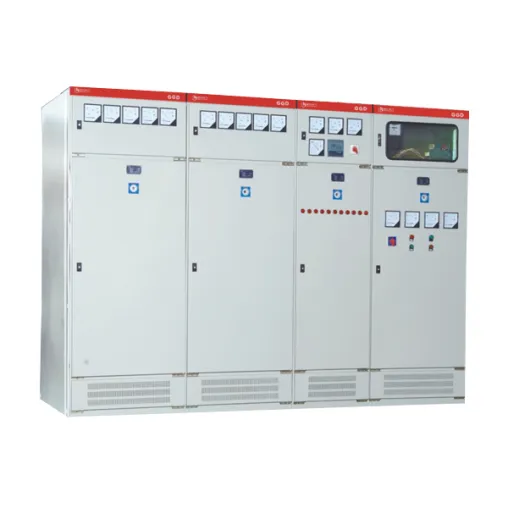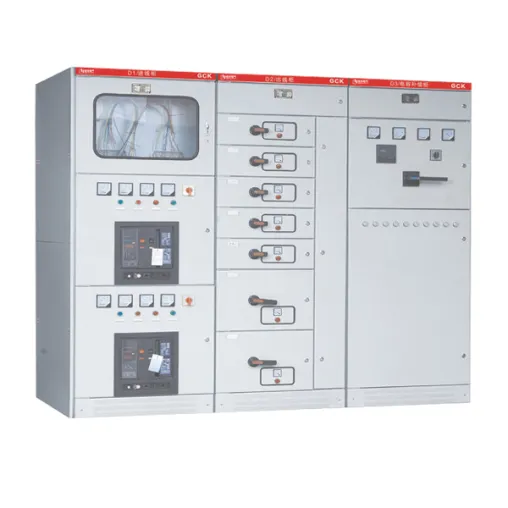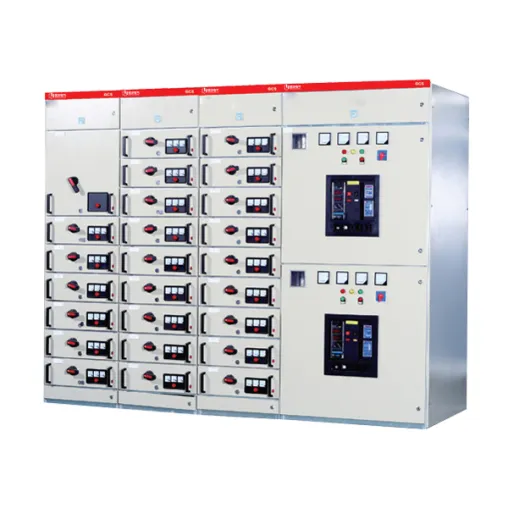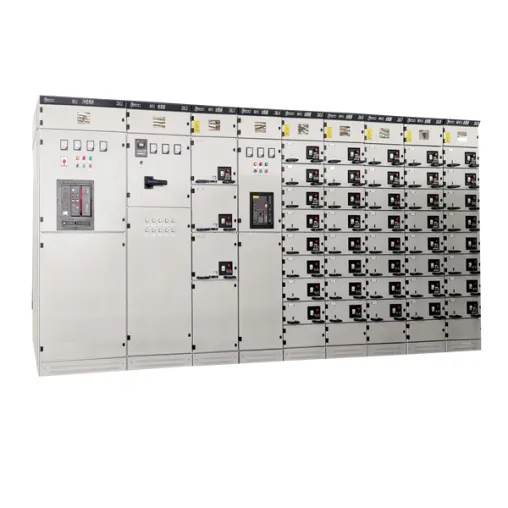

Low voltage distribution cabinets are essential for safe power allocation in industrial and commercial settings. Proper design and maintenance ensure reliability and longevity.
Design Principles
A well-designed cabinet prioritizes modularity, heat dissipation, and accessibility. Busbars should be sized according to load currents, with adequate clearances to prevent arcing. Enclosures rated IP40 or higher protect against dust and moisture. Logical separation of incoming, metering, and outgoing sections simplifies troubleshooting.
Maintenance Practices
Routine maintenance includes thermal imaging to detect loose connections, insulation resistance testing, and cleaning of dust accumulation. Tightening all terminals annually prevents overheating. Circuit breakers and contactors should be exercised periodically to avoid mechanical sticking. A maintenance log helps track component aging and predict replacements.
Main Components
Key components include:
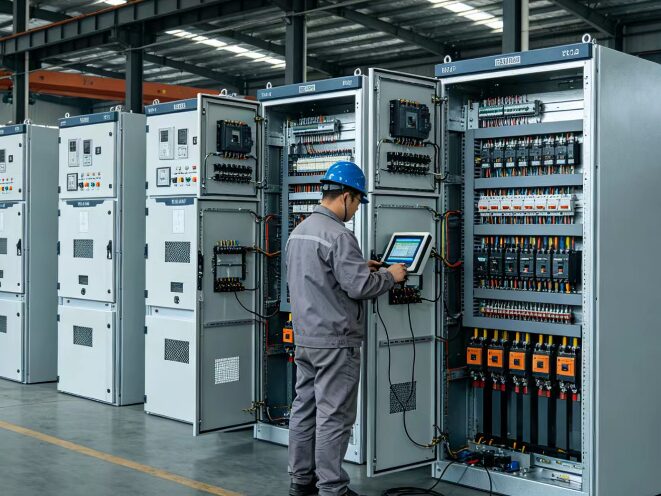
- Main circuit breaker: Isolates the entire cabinet.
- Molded case circuit breakers (MCCBs) and miniature circuit breakers (MCBs): Protect branch circuits.
- Contactors and relays: Enable remote switching.
- Busbars: Distribute power to outgoing feeders.
- Surge protection devices (SPDs): Guard against voltage spikes.
- Power factor correction capacitors (if equipped): Improve efficiency.
By adhering to disciplined design and scheduled upkeep, operators can prevent unplanned outages and extend equipment life.uip yourself with these tools and strategies, and you will ensure a seamless experience in managing high voltage systems. Let’s get started on ensuring your high voltage switchgear operates at its best!