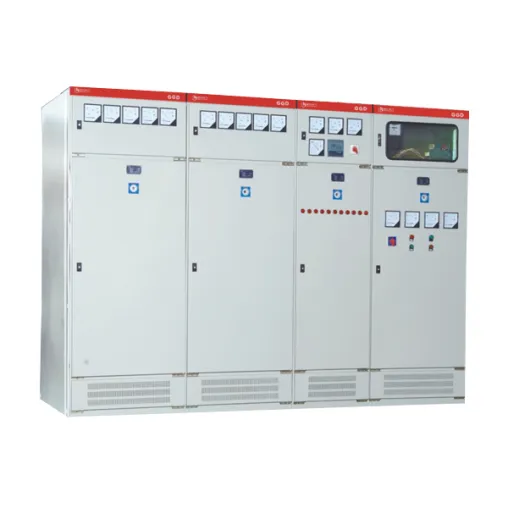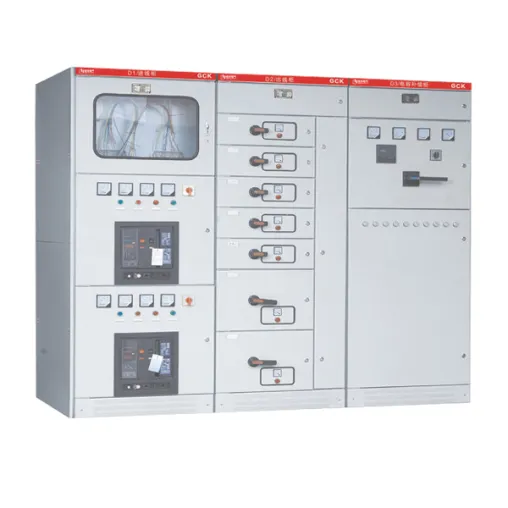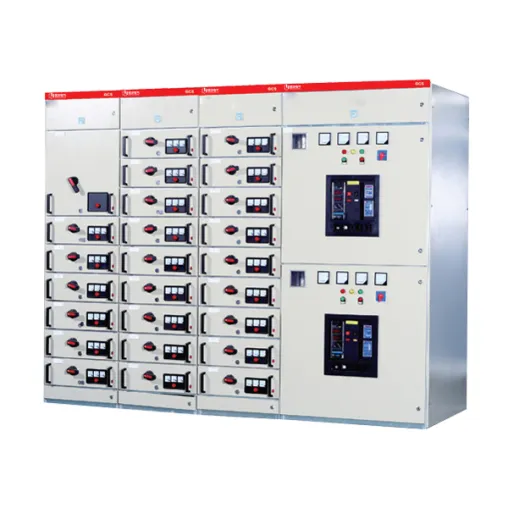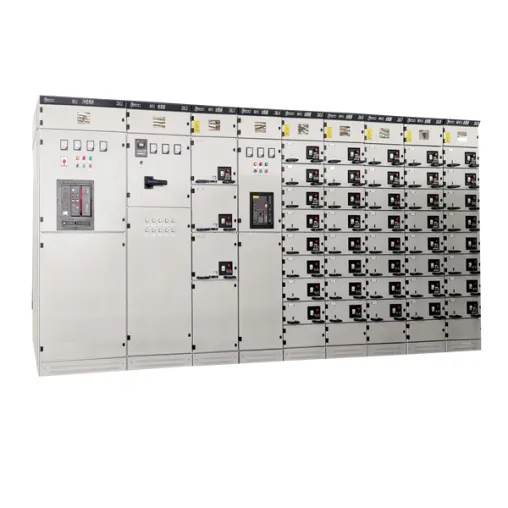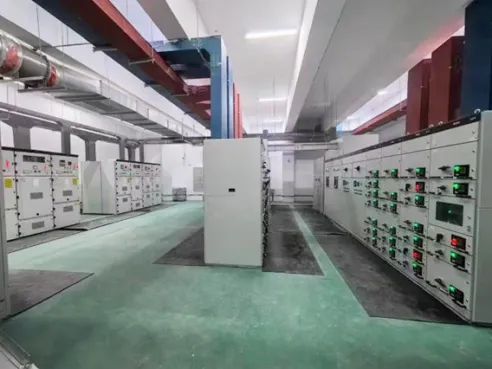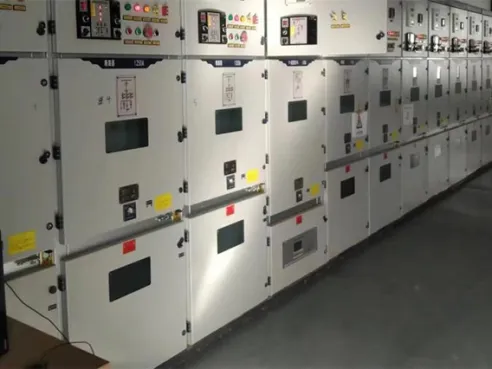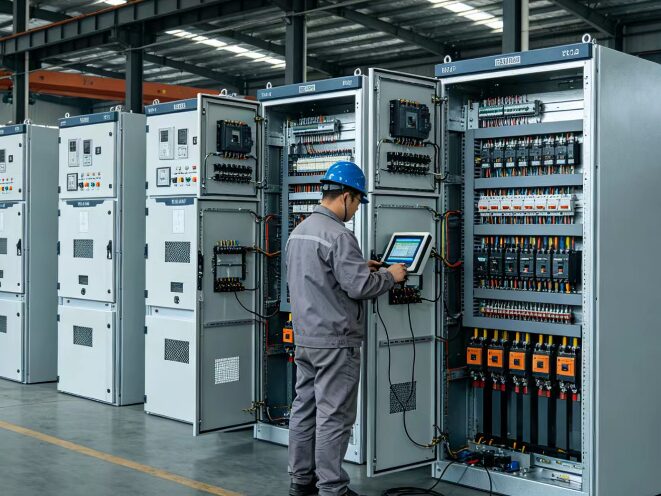

In the fast-paced electrical distribution sector, high voltage switchgear manufacturers face mounting pressure to meet rigorous reliability standards. Reliability is not merely a preference—it is a necessity for power infrastructure that must operate seamlessly under high-stress conditions. Stakeholders are increasingly aware that equipment failures can cause severe downtime and financial losses. In fact, industry reports indicate that nearly 30% of unplanned outages stem from equipment failures rather than external factors. Given these stakes, how can manufacturers guarantee that their switchgear meets the highest reliability standards and avoids potential pitfalls for users?
To begin, leading manufacturers respond by strictly adhering to international standards such as IEC 62271. These frameworks guide the design, testing, and validation of switchgear for durability and dependability. According to industry analysis, products certified to these standards can reduce operational failure rates by up to 50%. For a manufacturer like Triumph voltage, compliance with IEC 62271 is not just a checkbox—it is a foundation for building user trust. Clients who prioritize guaranteed performance over lesser-known alternatives benefit directly from lower failure rates and longer equipment life.
High voltage switchgear plays a pivotal role in managing power loads while ensuring operational safety. Today, forward-thinking manufacturers have moved beyond passive compliance by implementing advanced predictive maintenance techniques. By leveraging IoT sensors and big data analytics, they enable users to monitor switchgear health in real time. This proactive approach can minimize unplanned downtime and reduce repair costs by as much as 40%. Users who adopt these smart systems report overall operational efficiency gains of up to 30%, thanks to improved reliability and fewer interruptions.
The contrast with traditional approaches is stark. Conventional switchgear management often relies on reactive or scheduled maintenance without real-time monitoring. This method leaves operators vulnerable to unexpected failures and costly emergency repairs. Companies that depend solely on time-based maintenance can face repair costs exceeding industry averages by 25%. In comparison, Triumph voltage’s adoption of real‑time data monitoring ensures that potential failures are detected early, before they impact service. By directly addressing user pain points—unexpected downtime, high maintenance costs, and safety risks—Triumph voltage creates a reliability-driven environment that protects operations and reduces long-term risk.
As the gap widens between reliable and less reliable manufacturers, users increasingly choose products that prioritize operational security. The emphasis on reliability standards speaks directly to the evolving needs of the energy sector. For utilities, industrial plants, and infrastructure projects, investing in high‑quality switchgear is a strategic decision. It avoids costly downtime, enhances efficiency, and ultimately improves the bottom line.Triumph Vltage’s commitment to delivering top‑tier switchgear not only meets but often exceeds reliability expectations. This allows users to focus on what truly matters—the continuous functioning of their electrical distribution systems. For those seeking to fortify their operations against unexpected failures, engaging with Triumph voltage offers a logical next step toward robust, future‑proof power infrastructure.